When I moved to Seattle over a decade ago, I thought all lakes just looked…the same. Then I saw Diablo Lake glowing off Highway 20, and I realized the Pacific Northwest plays by different rules. Washington is home to thousands of lakes, from glacier-fed alpine basins and dam-formed reservoirs to easy family swimming spots you can reach in your sandals.
Some are famous for that impossible blue-green water and jagged mountain backdrops. Others earn their spot for the opposite reason: quiet, accessible, and perfect for a lazy afternoon with a book. As a licensed travel agent who has spent 10-plus years planning trips around this region (and eating my way through most of the towns near these shores), I have visited a good chunk of the lakes below myself.
I built this roundup so you can skip the overwhelm and pick the lakes that match your travel style, whether you want a hard hike, a road-trip pullover, or a beach within walking distance.
If you’d rather have your entire itinerary built out for you, check out my personal travel planning service to skip the guesswork when visiting Washington state lakes.
This post has some affiliate links, which means I’ll earn a small commission at no cost to you if you click on them and make a purchase. This is a small way I earn money to support this site. If links aren’t showing up for you, turn off your ad blocking software. Thank you for your support!
18 Washington State Lakes Worth Adding to Your Itinerary
Some of the most scenic lakes here require a real hike, while others sit right off a highway for families and road-trippers. The best trips come from knowing the season, the access, and the general vibe of each one, so I’ve flagged all three for every lake. Let’s get to the water.
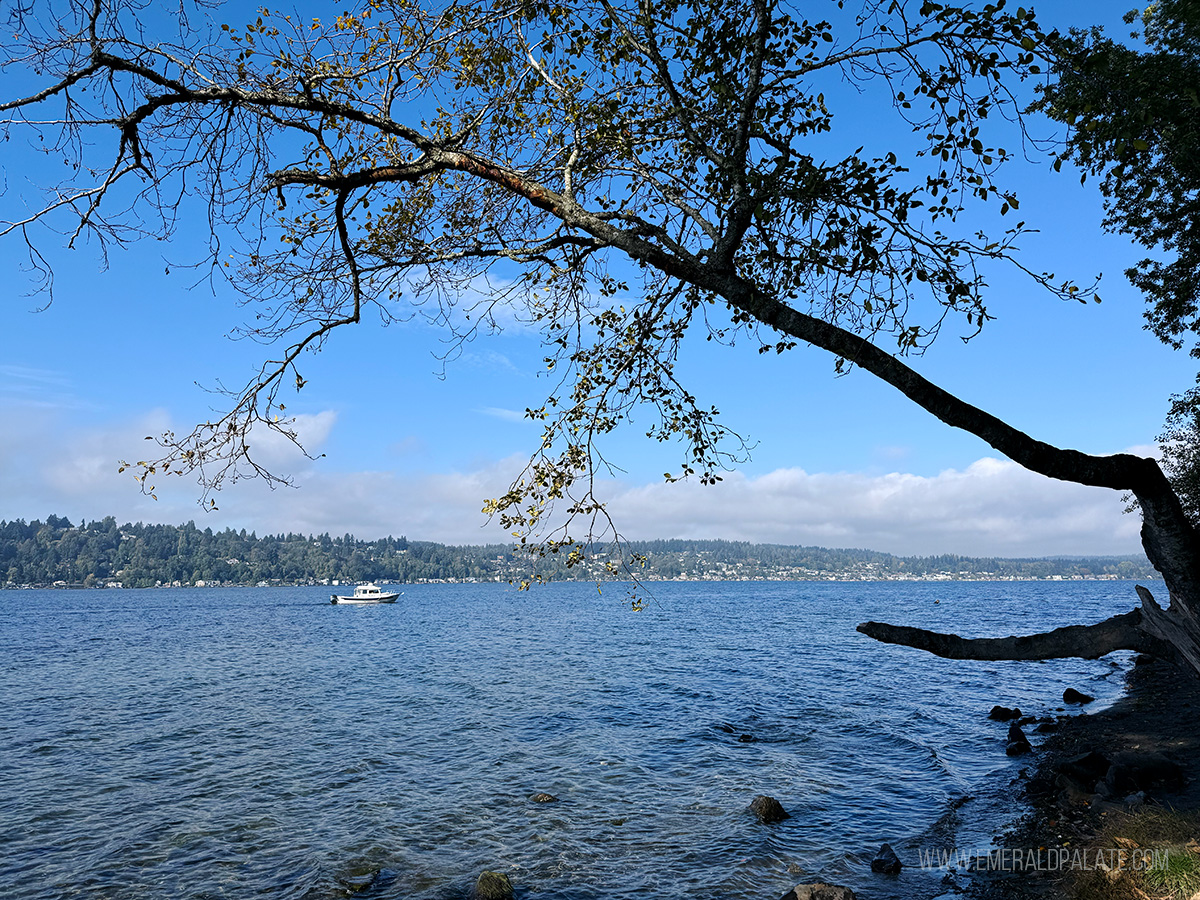
Where is Washington State?
Washington sits in the far northwest corner of the United States, tucked up against Oregon to the south and the Canadian province of British Columbia to the north. It anchors the Pacific Northwest, with the Pacific coast to the west and the wide Columbia River carving its southern border with Oregon.
Here’s the thing that shapes every lake on this list: the Cascade Range runs north to south right down the middle of the state. Lakes on the wet, forested west side feel worlds apart from those east of the Cascades.
West of the mountains you get mossy, misty basins in the Puget Sound lowlands and the Olympic Mountains. East of the Cascades, the land dries out fast into sunny, high-desert country. Same state, two completely different lake experiences.
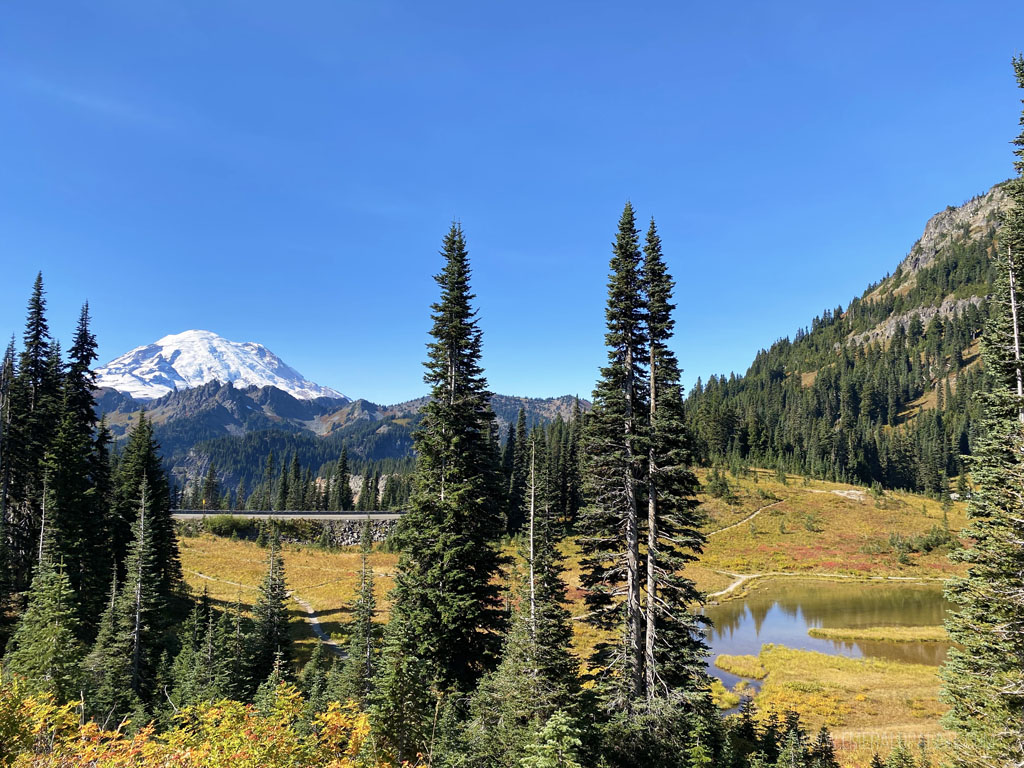
How many lakes are in Washington State?
Washington has thousands of named lakes and bodies of water, and honestly, nobody agrees on the exact count. But many agree that there are over 8,000 Washington state lakes.
Many sit deep inside mountain wilderness areas and national forests, which is exactly why the state is such a draw for hiking, camping, fishing, kayaking, and scenic road trips.
You can car-camp beside a warm swimming lake one weekend and backpack to a frozen alpine basin the next. If you want a fuller itinerary beyond the water, I have a whole guide to things to do in Washington State that pairs nicely with any of these stops.
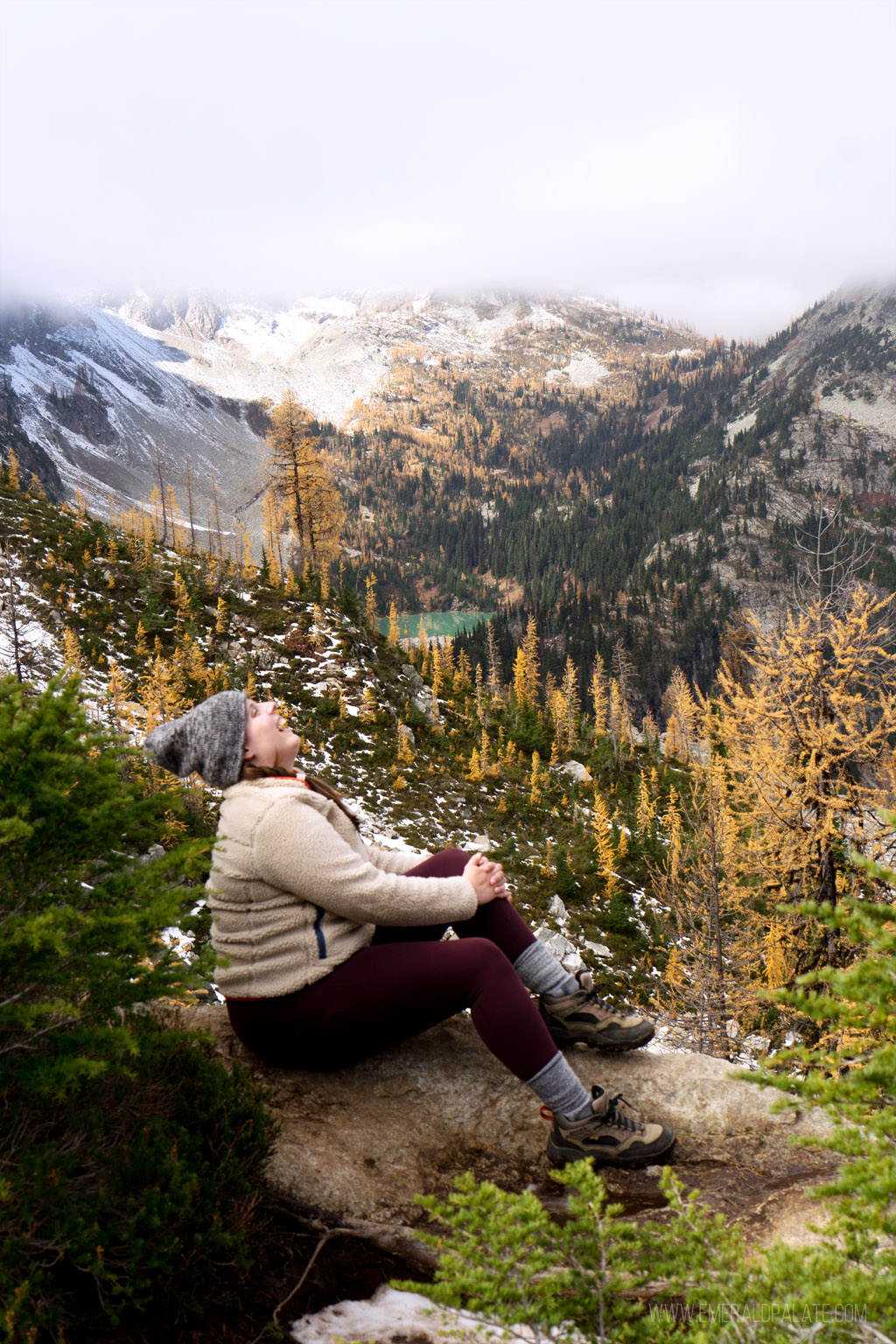
18 must-see lakes in Washington State
These are the best Washington state lakes I recommend to anyone visiting the Evergreen State, organized loosely from easy-access favorites to the alpine hikes worth the sweat. I’ve noted where each one is, what makes it special, what to expect, and who it’s best for.
Verify hours, permits, and reservations with each spot before you go, since those change with the seasons.
Diablo Lake
website | area: North Cascades National Park | State Route 20, mile 131.7 (get directions) | best for: first-timers, photographers, and anyone who wants a jaw-dropping view without a hard hike
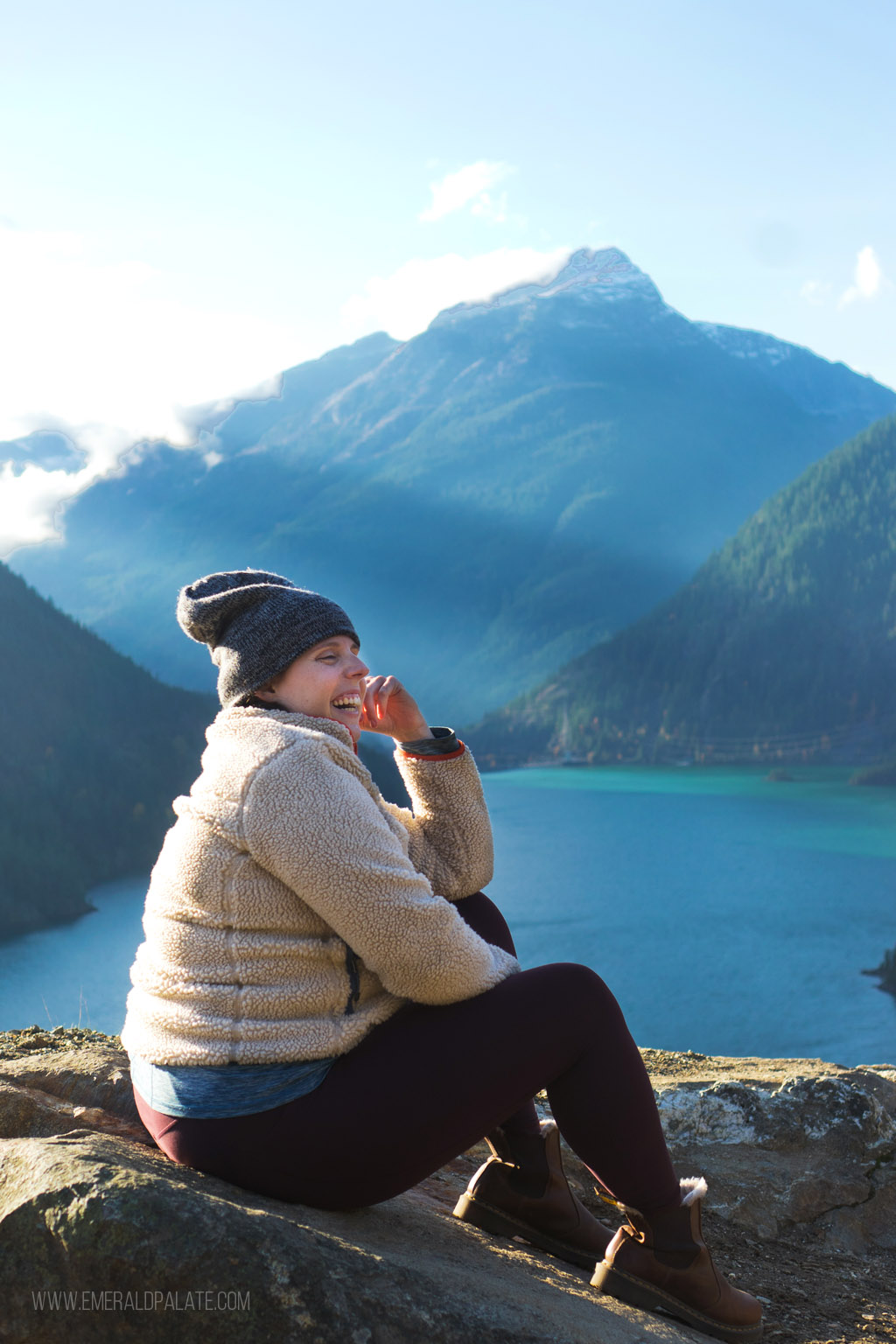
If you only see one lake on this list, make it this one. Diablo Lake sits along the North Cascades Highway (State Route 20) in North Cascades National Park, about a 2.5-hour drive northeast of Seattle. It’s toward the beginning of the road through the park, so it’s the perfect start to any North Cascades National Park itinerary.
The unique turquoise hue is a result of “glacial flour,” a fine silt formed by the grinding action of glaciers on the rock. As glaciers melt, they release this silt into the lake, giving it a striking blue-green appearance.
Pro tip: The color is most electric on sunny days in July, August, and September, when glacial melt peaks.
Lake Chelan
website | area: east of the Cascades (get directions) | best for: multi-day trips, wine lovers, and anyone chasing sunshine east of the Cascades
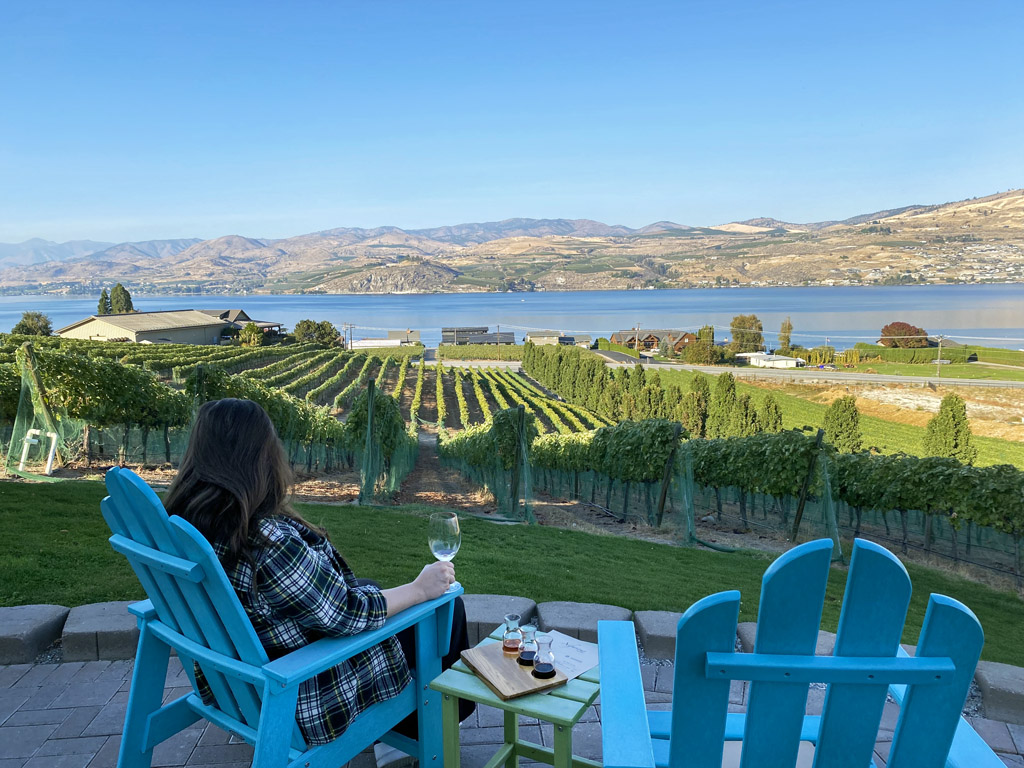
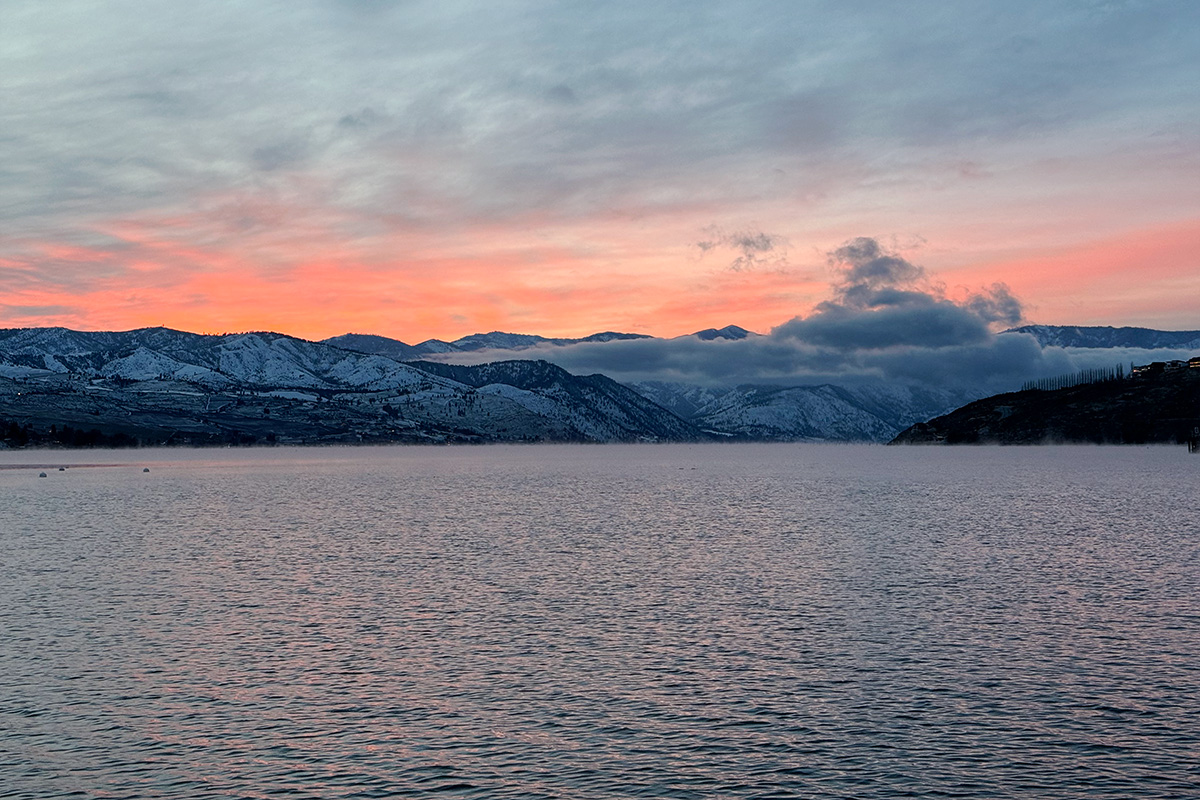
Lake Chelan is the crown jewel east of the Cascade Mountains about 2.5 hours crom Seattle. Located in north-central Washington at a depth of 1,486 feet, it’s the third deepest lake in the United States. This narrow fjord-like lake winds northwest-southeast for 55 miles through a glacier-carved valley along the eastern edge of the Cascade Range.
The town of Chelan at the southeast end is sunny, warm, and surrounded by vineyards, which makes this a great vacation base rather than a quick stop. There are also a bunch of restaurants, great places to stay, and epic cross-country skiing, making Chelan in winter just as dreamy as a summer visit.
Two communities lie on the southern end of the lake, and a third called Stehekin sits at the far north end, providing a gateway to North Cascades National Park. If you plan to visit Stehekin, prepare to take a ferry because it’s only accessible by boat!
Lake Crescent
website | area: Olympic Peninsula | U.S. Route 101, Olympic National Park (get directions) | best for: Olympic Peninsula road trips, kayakers, and anyone who loves clear, quiet water

Over on the Olympic Peninsula, Lake Crescent trades Chelan’s sunshine for deep blue water and forested mountain views. Its water is actually the result of the lake’s low nitrogen levels that inhibit the growth of algae.
With a maximum depth of 624 feet, it’s officially the second deepest lake in the state of Washington after Lake Chelan. You’ll find Lake Crescent right off US Route 101 inside Olympic National Park, framed by the forested Olympic Mountains.
It’s a popular place to kayak, so prepare to spend a few hours taking in the ambiance from the water. Or stretch your legs by doing the Devil’s Punchbowl hike that goes along its shore.
The historic Lake Crescent Lodge sits on the shore, and the short hike to Marymere Falls is also an easy, worthwhile add-on.
Lake Quinault
website | area: Olympic Peninsula / Quinault Rainforest | US Route 101, Olympic Peninsula (get directions) | best for: rainforest lovers, families, and slow scenic drives
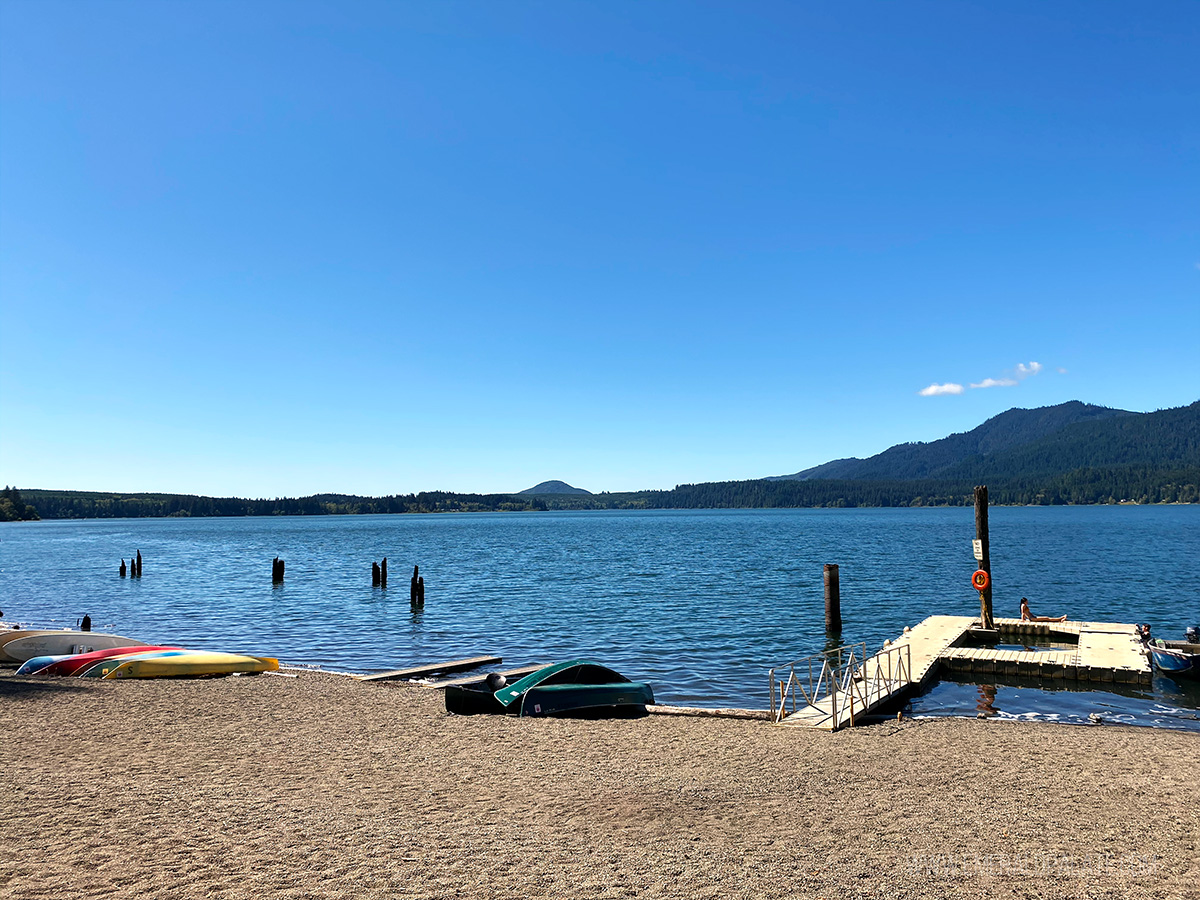
Keep going around the Olympic Peninsula and you hit Lake Quinault, surrounded by some of the lushest scenery in the region. It’s located in the glacier-carved Quinault Valley at the southern edge of Olympic National Park, and one of its most dominant features is its location within the Quinault Rainforest.
The lake is owned by the Quinault Indian Nation, and the area is accessible from US Route 101.The lake itself sits in a valley of record-breaking trees, including one of the largest Sitka spruces in the country. Fishing and boating are also popular here; anglers can cast a line for trout or salmon with a valid permit from the Quinault Indian Nation.
Pro tip: The roughly 30-mile loop drive around the lake is completely worth it if you’re short on time, with waterfalls and giant trees along the way.
Lake Washington
website | area: Seattle, King County (get directions) | best for: Seattle visitors, swimmers, and easy urban lake days
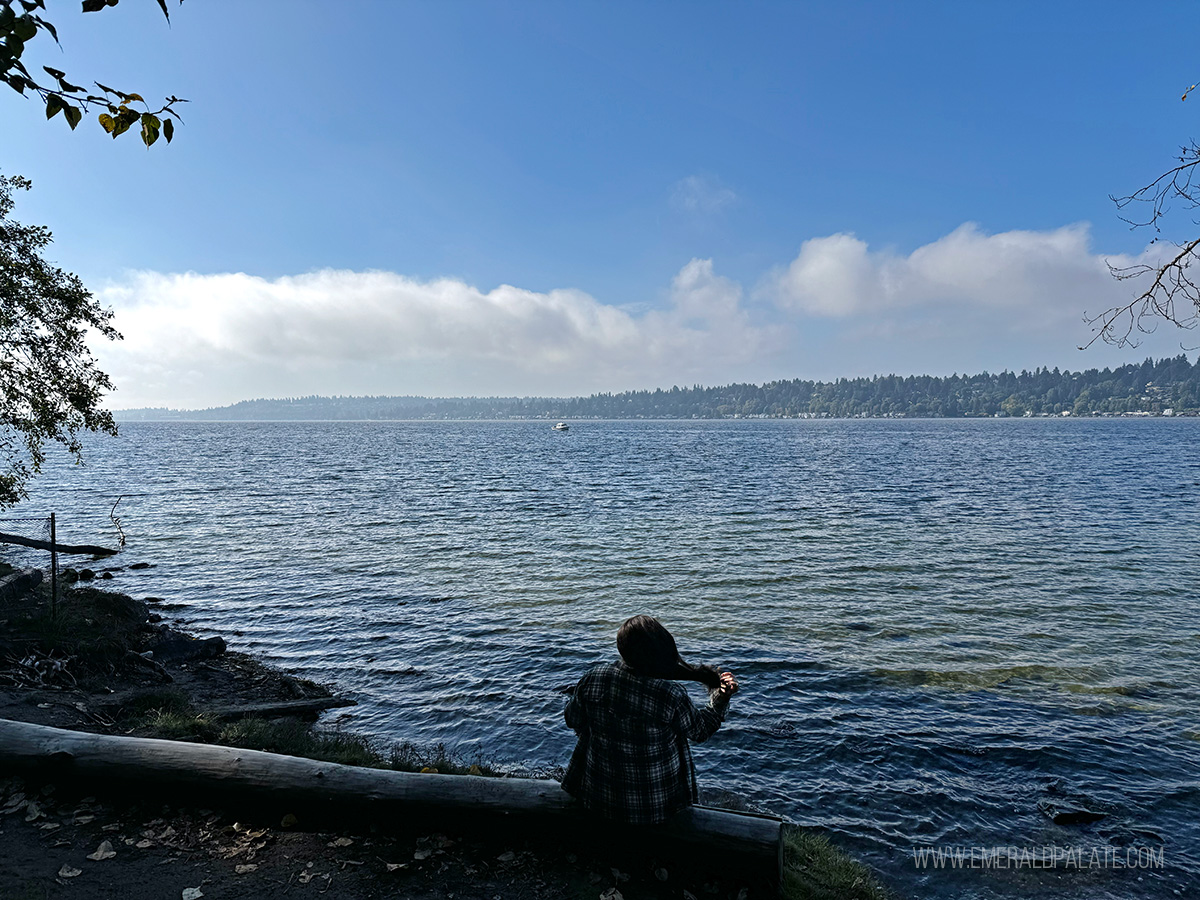
You don’t have to leave the city to find a great lake here. Lake Washington borders Seattle to the west and Bellevue and Kirkland to the east. It’s the largest of the three major lakes in King County, and the second-largest natural lake in the State of Washington.
The lake is 65 meters deep at its deepest with a muddy bottom, which prevents the construction of many types of bridges (hence the use of floating bridges built on concrete pontoons). In fact, the Evergreen Point Floating Bridge, which carries State Route 520 across the lake, is the longest floating bridge in the world at 7,710 feet.
Grab a swim, a paddle, or just a lakeside picnic at Seward Park. You can also rent a boat or jet ski. Or grab a seat at one of the many Seattle restaurants with outdoor patios to take in the views of the lake.
Lake Union
website | area: Seattle, King County (get directions) | best for: paddlers, first-time Seattle visitors, and skyline photos
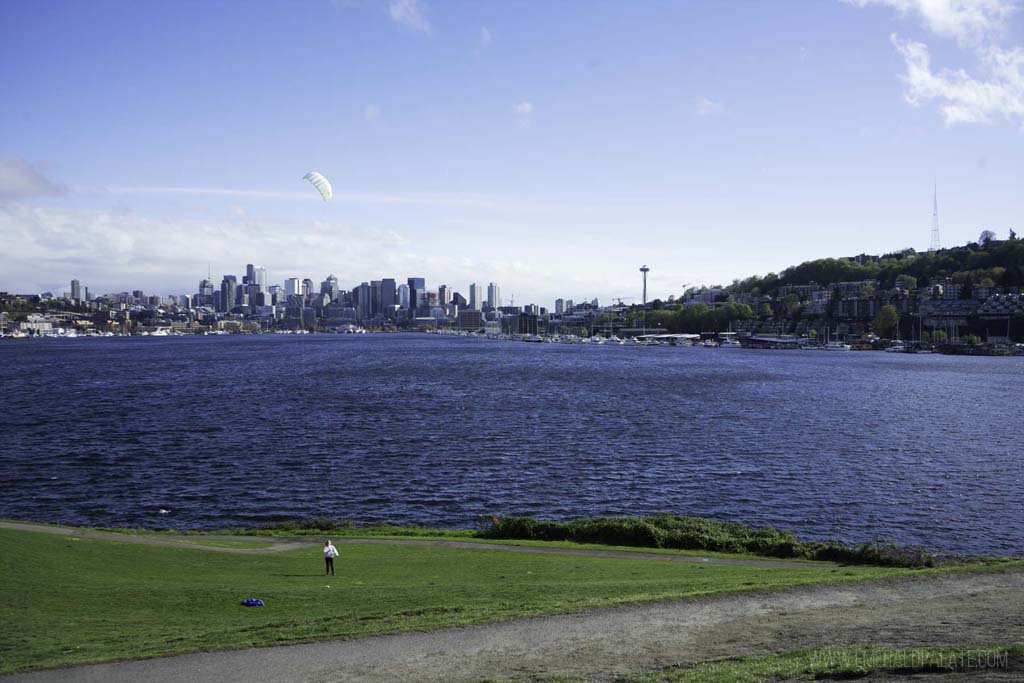
Smaller and even more central, Lake Union sits right in the heart of Seattle, ringed by houseboats, seaplane docks, and Gas Works Park. This is where you rent a kayak or paddle board, wave at the floatplanes taking off, and take in one of the best skyline views in the city.
It’s not a wilderness escape, and that’s part of the charm. You can grab food nearby, hop on the water, and be back downtown within minutes. One of my favorite Seattle water activities is to rent kayaks or hop on the Argosy Ballard Locks Cruise that takes you Lake Union, through the famous Locks, and out to the Puget Sound along the waterfront. You can also take a guided kayak tour if that’s more your speed.
Green Lake
website | area: Seattle, Green Lake neighborhood (get directions) | best for: families, runners, and casual swimmers
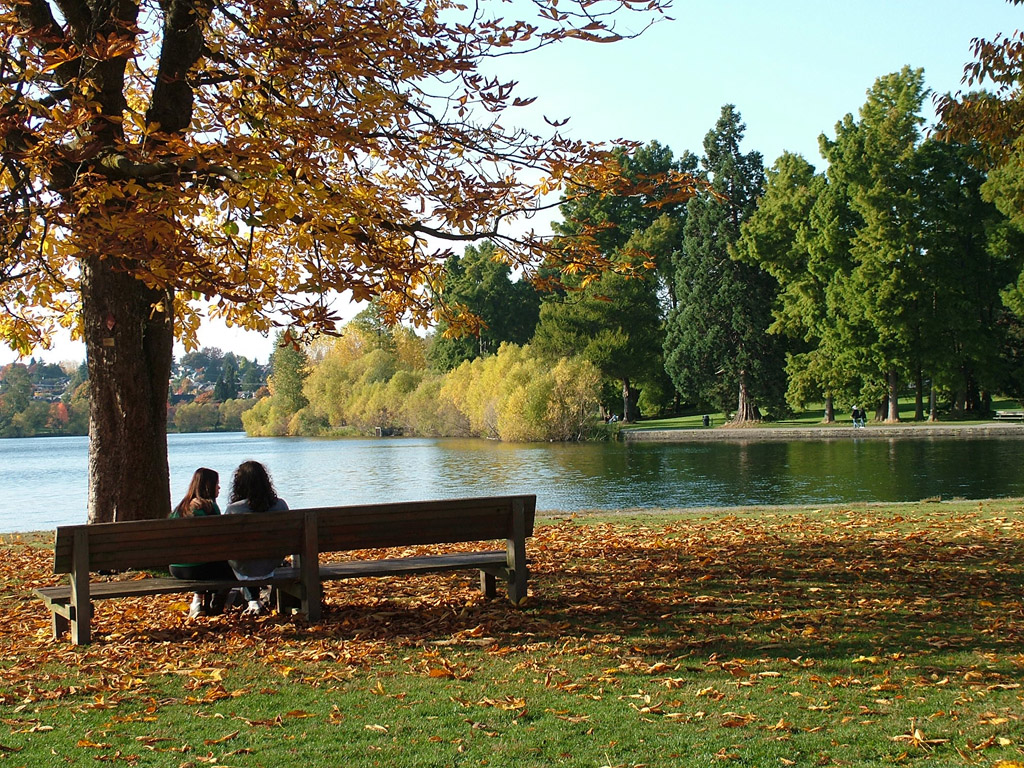
Green Lake is Seattle’s most beloved neighborhood lake, and for good reason. A flat, paved loop of just under three miles circles the lake and frequently fills with joggers, strollers, and dogs on sunny days. There are swim beaches, boat rentals, grassy spots for a picnic, and sport fields. In fact, I play at the softball fields in a league every summer!
It’s not a hidden gem so much as a local gem, and it delivers exactly what it promises: easy, friendly, and walkable.
Pro tip: Come early on summer weekends because the parking fills up fast.
Rattlesnake Lake
website | area: Snoqualmie Pass near North Bend, off I-90 (get directions) | best for: day hikers, families, and quick escapes from Seattle
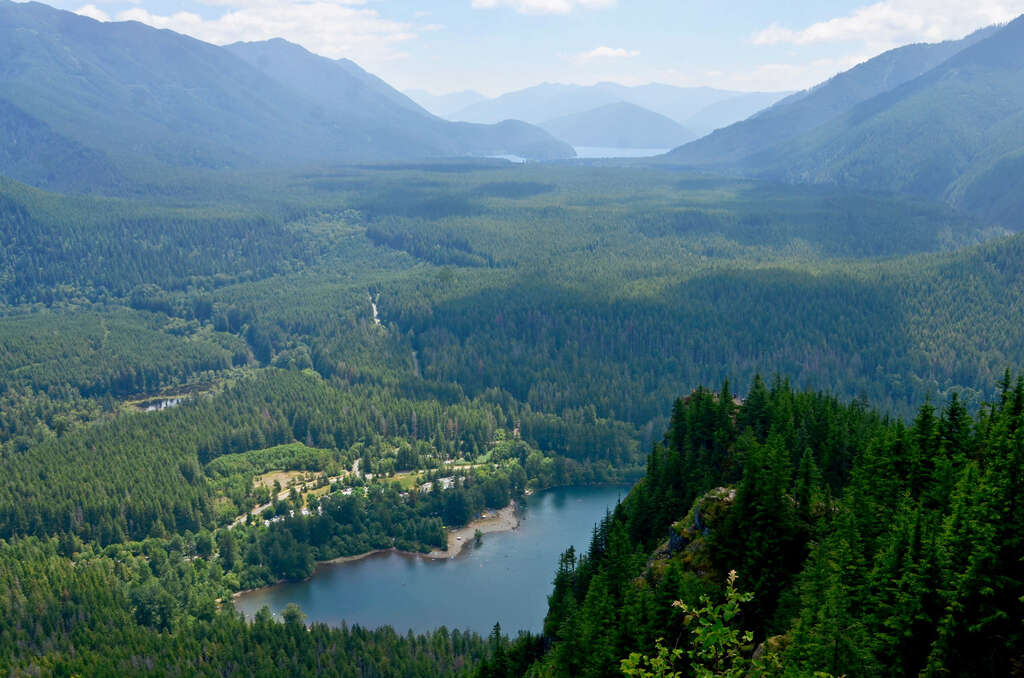
About 40 minutes from Seattle is the easy-access alpine-feeling lake, Rattlesnake Lake. The real draw is the hike above it: the Rattlesnake Ledge trail climbs to a rocky viewpoint overlooking the lake and the surrounding Cascade foothills. It’s one of the most popular hiking spots near Seattle, so it’s best to visit on a weekday.
The lake itself has a pebbly shore and tree stumps poking from the water when levels drop, giving you plenty to explore even if you’re not getting in the water. If you want an easier walk, there’s a flat trail that goes along the lake shore.
Afterwards, head to nearby Snoqualmie to check out the cute shops, grab a beer, and relax after a long day.
Lake Wenatchee
website | area: Leavenworth | Lake Wenatchee State Park, Chelan County (get directions) | best for: campers, families, and four-season adventurers
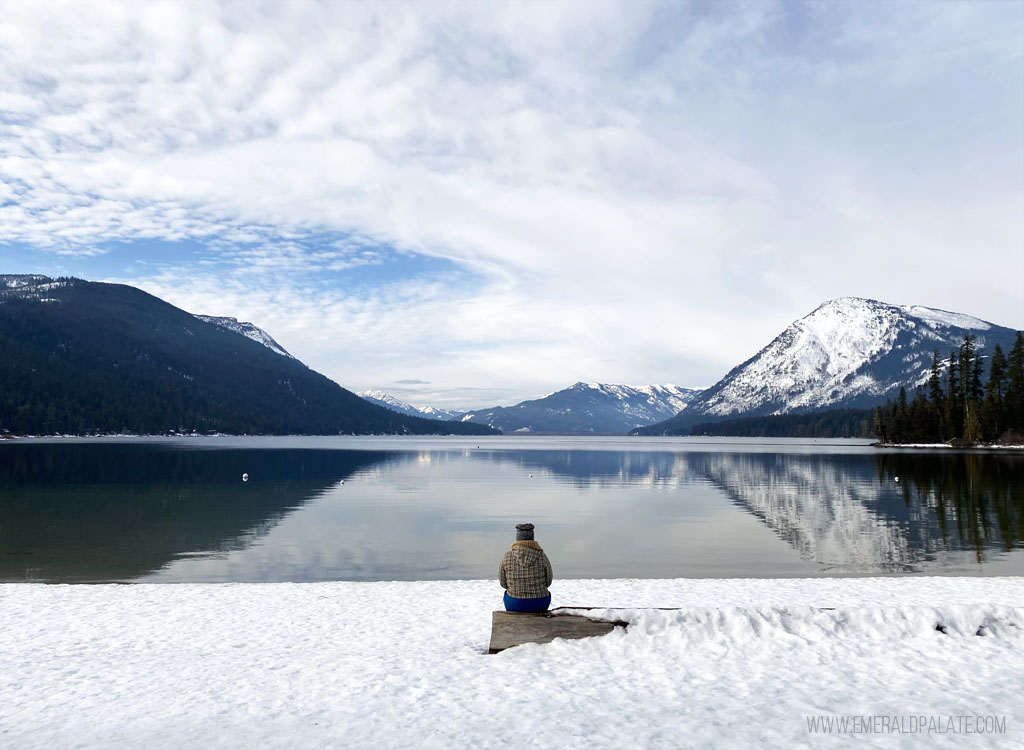
Head east over Stevens Pass and you reach Lake Wenatchee, a glacier-fed lake surrounded by mountains and pine forests. Lake Wenatchee State Park anchors the shore with camping, swim beaches, and miles of trails, making this a hotspot for families exploring the area.
It is a four-season spot: paddling and swimming in the spring, summer, and fall, and cross-country skiing in winter. The town of Leavenworth, Washington’s Bavarian-themed village, is also a short drive away and worth pairing with your visit.
Lake Whatcom
website | area: Bellingham, Whatcom County (get directions) | best for: Bellingham day trips, paddlers, and mellow swim days
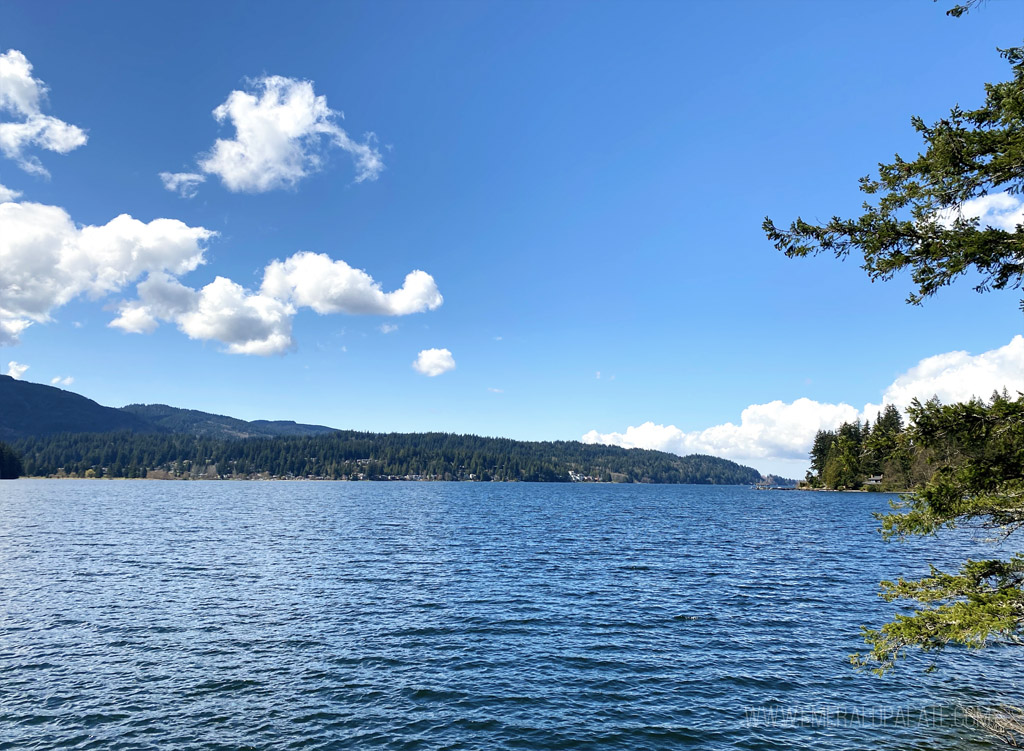
Up near Bellingham in the far northwest corner of the state, close to the British Columbia border, Lake Whatcom is a long, forested lake that serves as the city’s drinking water reservoir. It’s a locals’ favorite for boating, kayaking, and easy shoreline walks.
Bloedel Donovan Park on the north shore has a swim beach, boat launch, and grassy picnic areas. Pair it with a day exploring Bellingham’s excellent independent food and coffee scene, it’s completely worth it.
Picture Lake
website | area: Mount Baker Highway, Heather Meadows, Whatcom County (get directions) | best for: photographers, leaf-peepers, and easy scenic stops
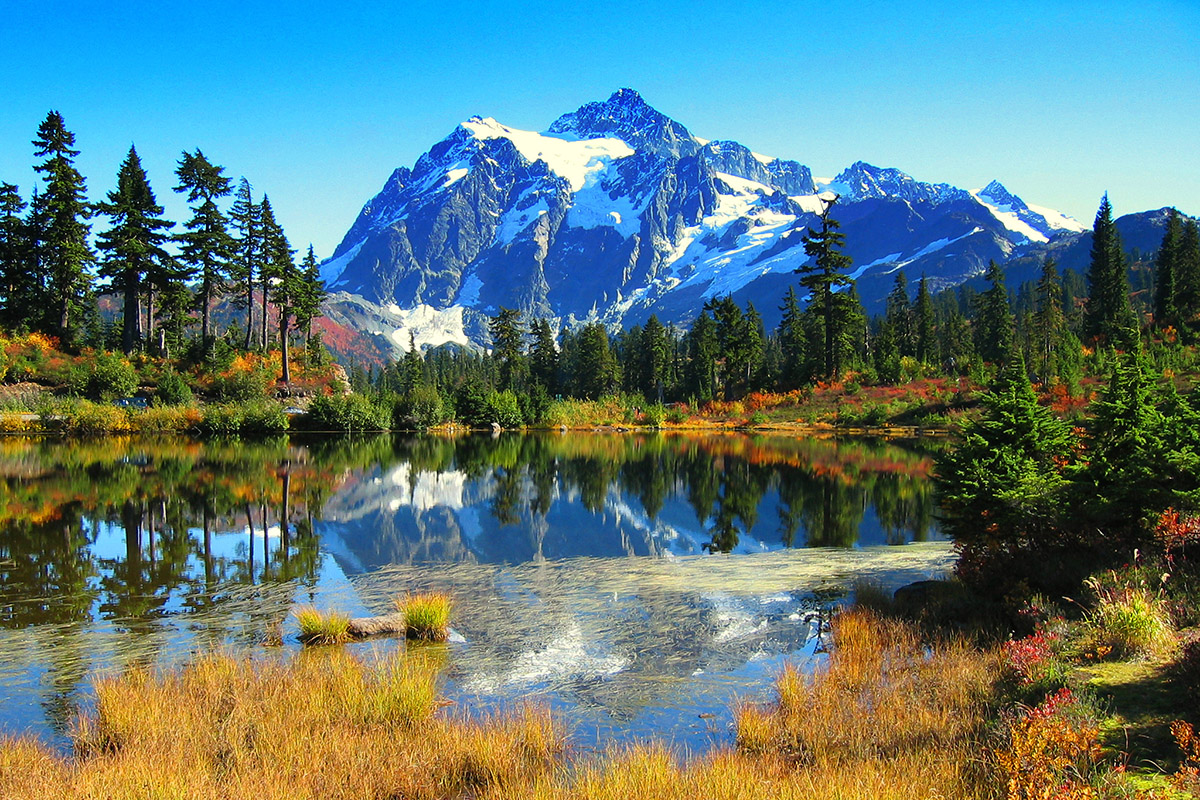
Picture Lake up in the Mount Baker area near the British Columbia border might be the most photographed small lake in the state. Once you see it, you’ll understand why. On a still day, the jagged summit of Mount Shuksan reflects perfectly in the water, framed by wildflowers in summer and fiery foliage in fall.
The best part: a short, flat, paved loop circles the lake, so this postcard view requires almost no effort. For the best views, go early for calm water and that mirror-flat reflection.
Moses Lake
website | area: Central Washington | Moses Lake, Grant County (get directions) | best for: warm-water swimmers, boaters, and central Washington road trips
Way out east of the Cascades in the high desert, Moses Lake is a warm-water lake that feels like a different world from the misty west side. This is boating, water-skiing, and swimming country, with hot, dry summers that practically demand a day on the water.
This is the one lake I haven’t been to yet, so I don’t have any photos. But I know it’s a practical, fun stop if you’re road-tripping through central Washington toward Idaho or Spokane. The surrounding sand dunes are also a bonus for off-road fans.
Colchuck Lake
area: Alpine Lakes Wilderness, near Leavenworth (get directions) | best for: experienced day hikers and serious alpine lovers
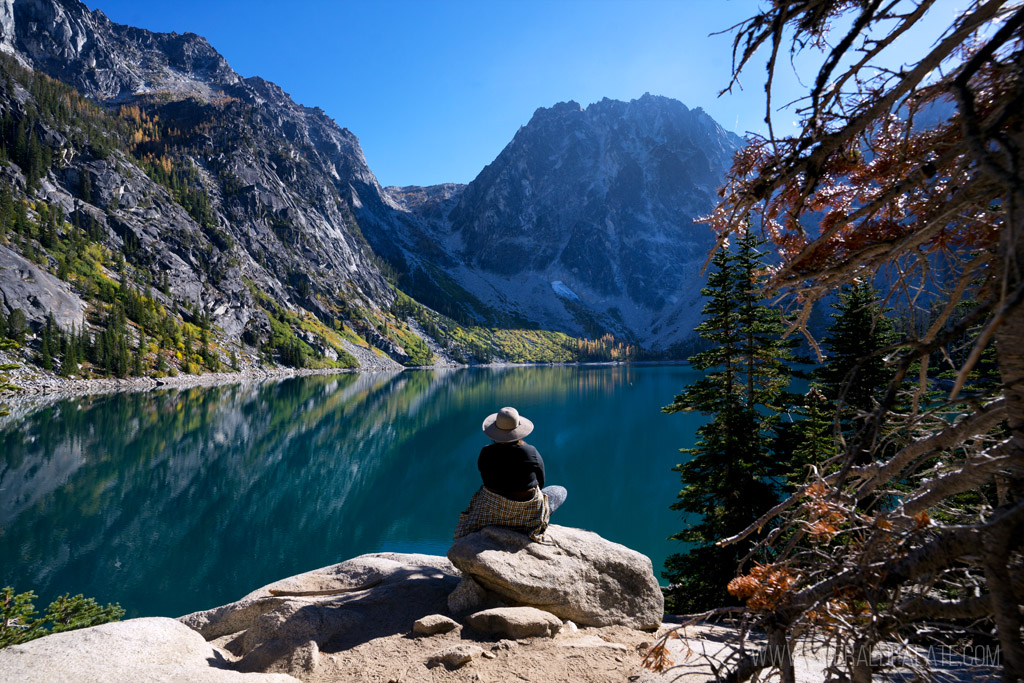
Colchuck Lake is only accessible via a grueling hike in the Alpine Lakes Wilderness near Leavenworth, and it rewards you with brilliant turquoise water beneath the granite spires of Dragontail and Colchuck Peaks. The roughly 8-mile round-trip trail gains serious elevation, so this one is for hikers who don’t mind a challenge.
Colchuck is also the gateway to the famous Enchantment Lakes, a string of high alpine basins beyond Aasgard Pass that require a hard-won permit to camp and an even more rigorous hike carrying gear. It looks truly breathtaking though, particularly as a larch hike in the fall.
Pro tip: Start at sunrise, both for parking and to beat afternoon crowds on this popular trail.
Blanca Lake
area: near Index, Cascade Range (get directions) | best for: strong day hikers chasing the ultimate alpine color
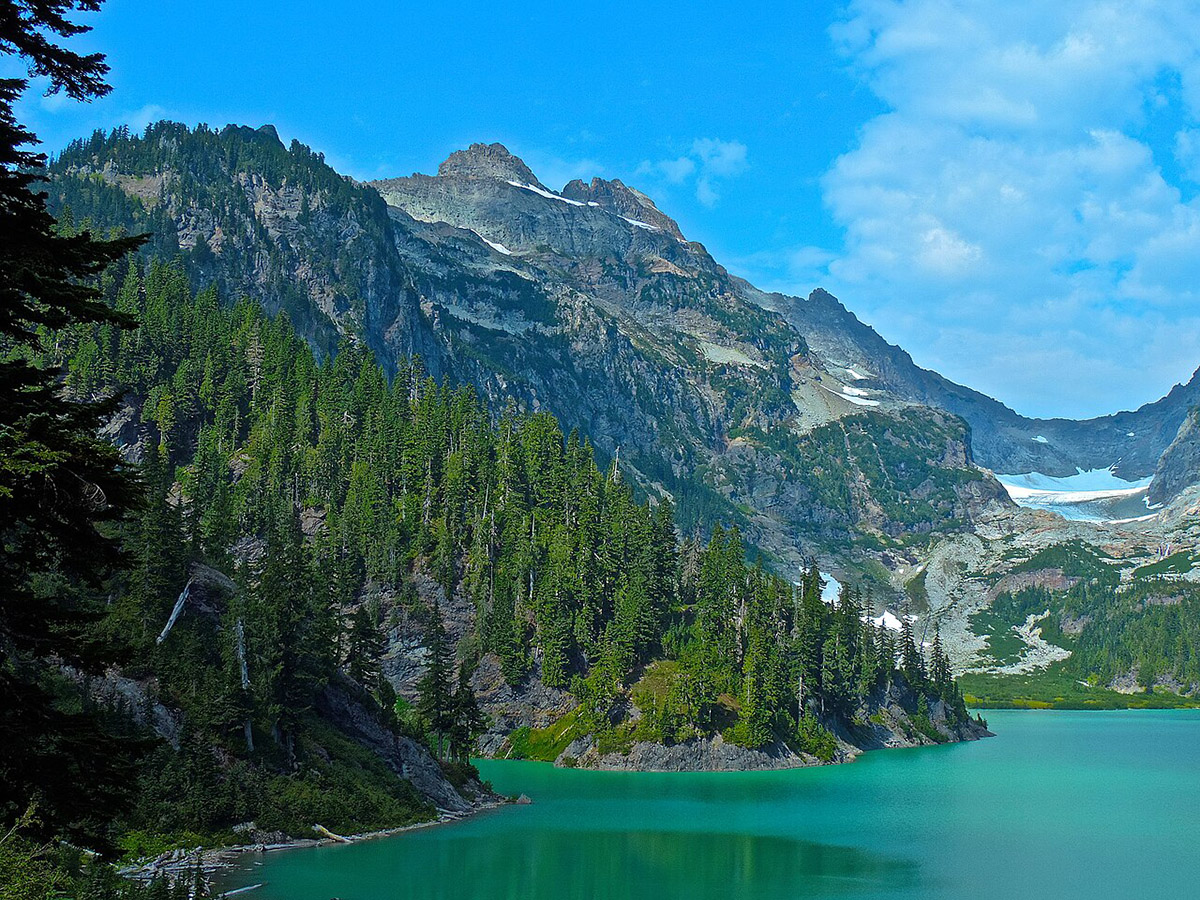
Blanca Lake is my pick for the most rewarding alpine hikes in Washington. Tucked in the Cascade Range near the town of Index, this glacier-fed lake glows a surreal aquamarine thanks to the Columbia Glacier feeding it from above. The roughly 8-mile round-trip trail is steep and demanding, with plenty of switchbacks along the way.
But reaching the final ridge and seeing that bright blue water backed by snowy peaks makes the tough climb worth it. Go on a clear day for the full color. Then head to nearby Snohomish for dinner as a reward after a day’s work.
Lake Stevens
website | area: Lake Stevens, Snohomish County (get directions) | best for: paddling, swimming, and jet skiing
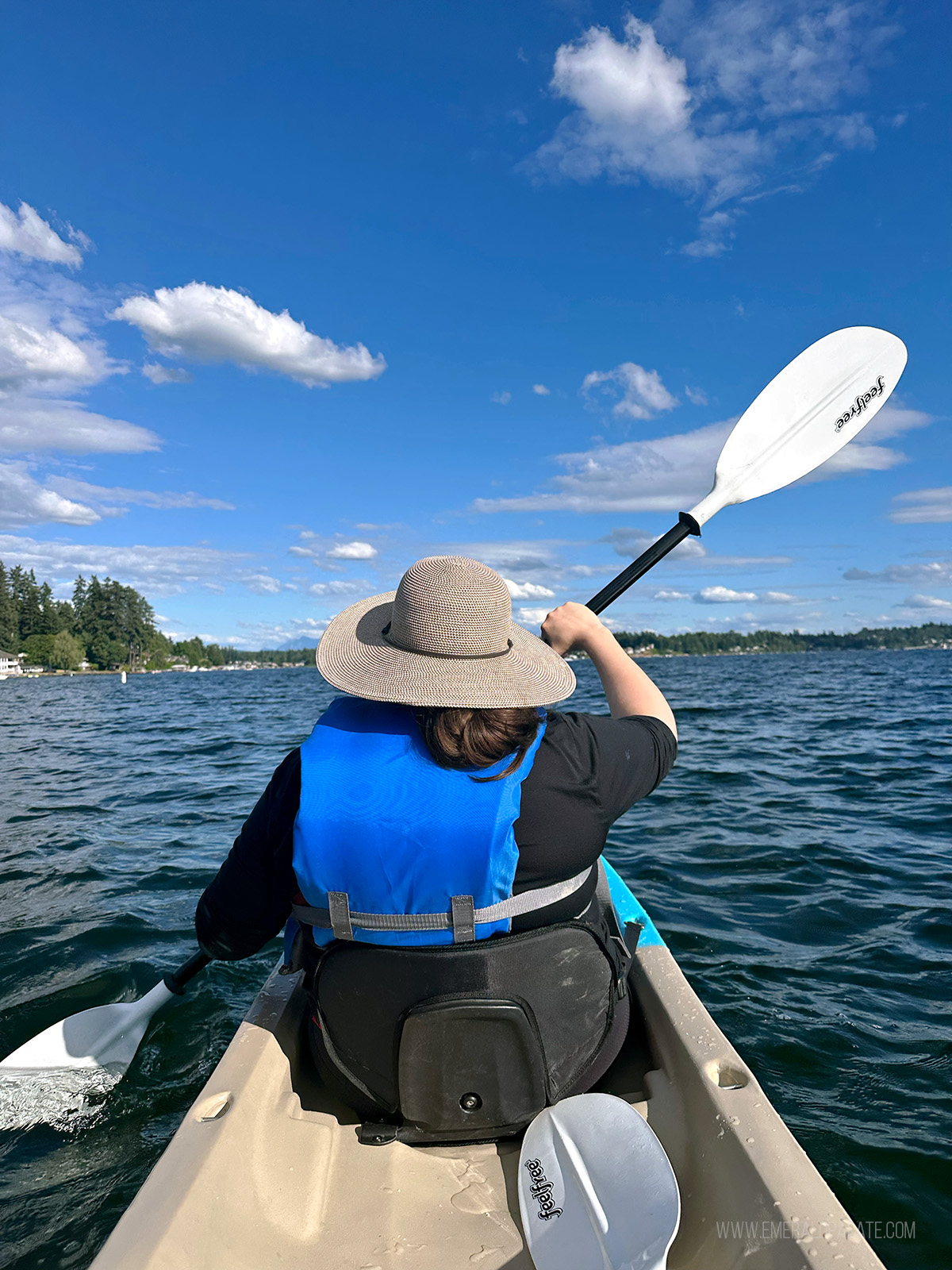
Just around 45 minutes north of Seattle is beautiful Lake Stevens. It gives off Lake Washington energy, with gorgeous homes lining the shore and a strong water sport culture. At any given time in the summer you’ll see countless jet skis, boats, paddle boards, and kayaks meanding on the water.
You can rent kayaks and SUPs via a QR code at Lundeen Park. There are also park facilities like bathrooms, a playground, picnic shelters, and a swimming beach.
Reflection Lakes
website | area: Mt. Rainier National Park (get directions) | best for: pristine water views and leisurely walks
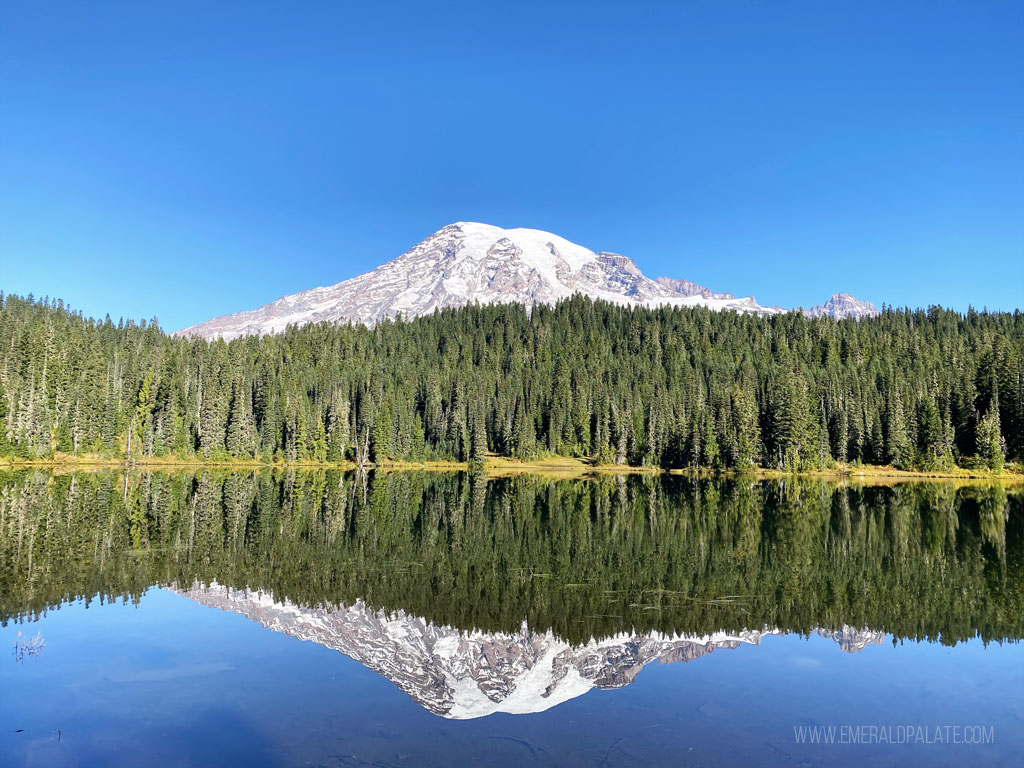
Reflection Lakes has earned its name: On a clear day you can see the iconic Mt. Rainier peak reflecting in the water. This popular destination is a great reprieve from Mt. Rainier hikes since you can see it directly from the parking lot.
Pro tip: A short drive away is Bench & Snow Lakes, a lesser-known hike that takes you to two more beautiful alpine lakes.
Lake Twenty Two
website | area: Granite Falls, Snohomish County (get directions) | best for: popular hike to an alpine lake
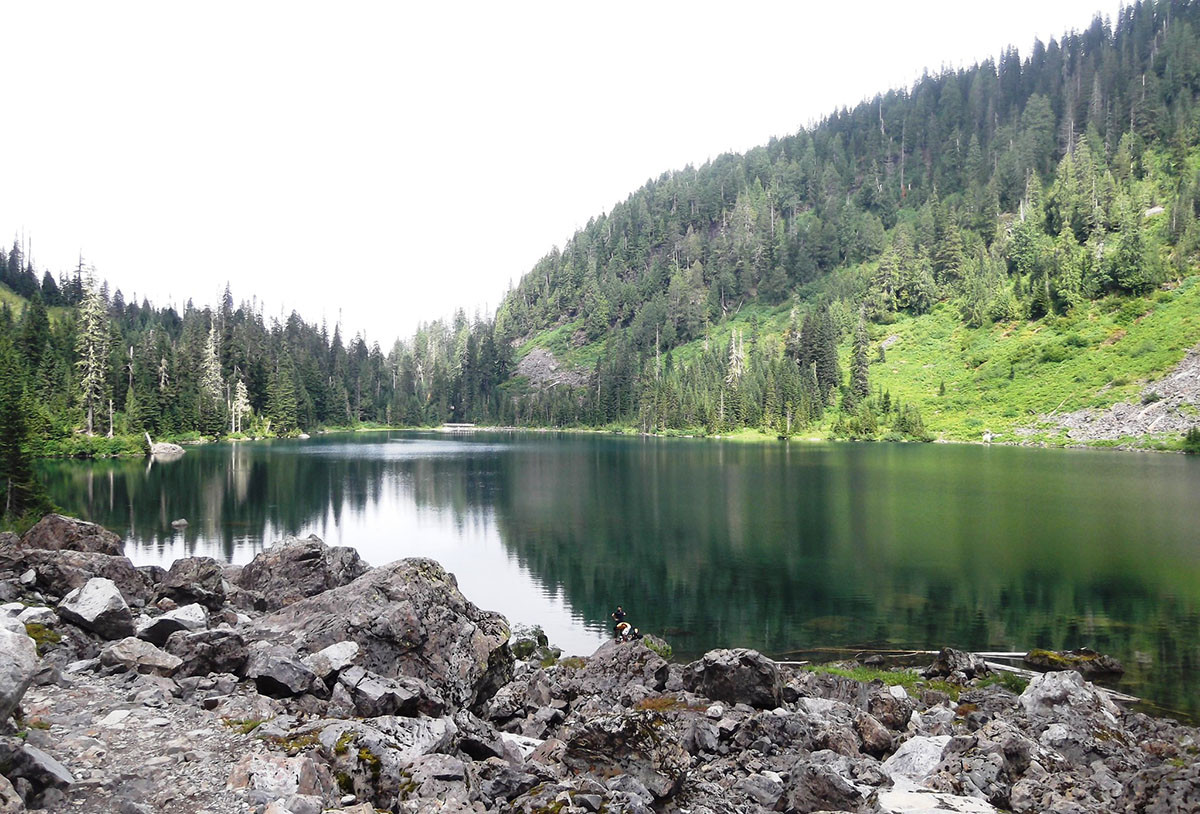
Lake Twenty Two is arguably one of the most popular hikes near Seattle. In fact, this ~6-mile jaunt takes you through old-growth forests and ends with stunning mountain views of Mount Pilchuck. Pack in a picnic so you can enjoy the water after all your work getting there. Just remember to pack it out and leave no trace behind.
Ross Lake
website | area: North Cascades National Park (get directions) | best for: backcountry paddlers, anglers, and solitude seekers
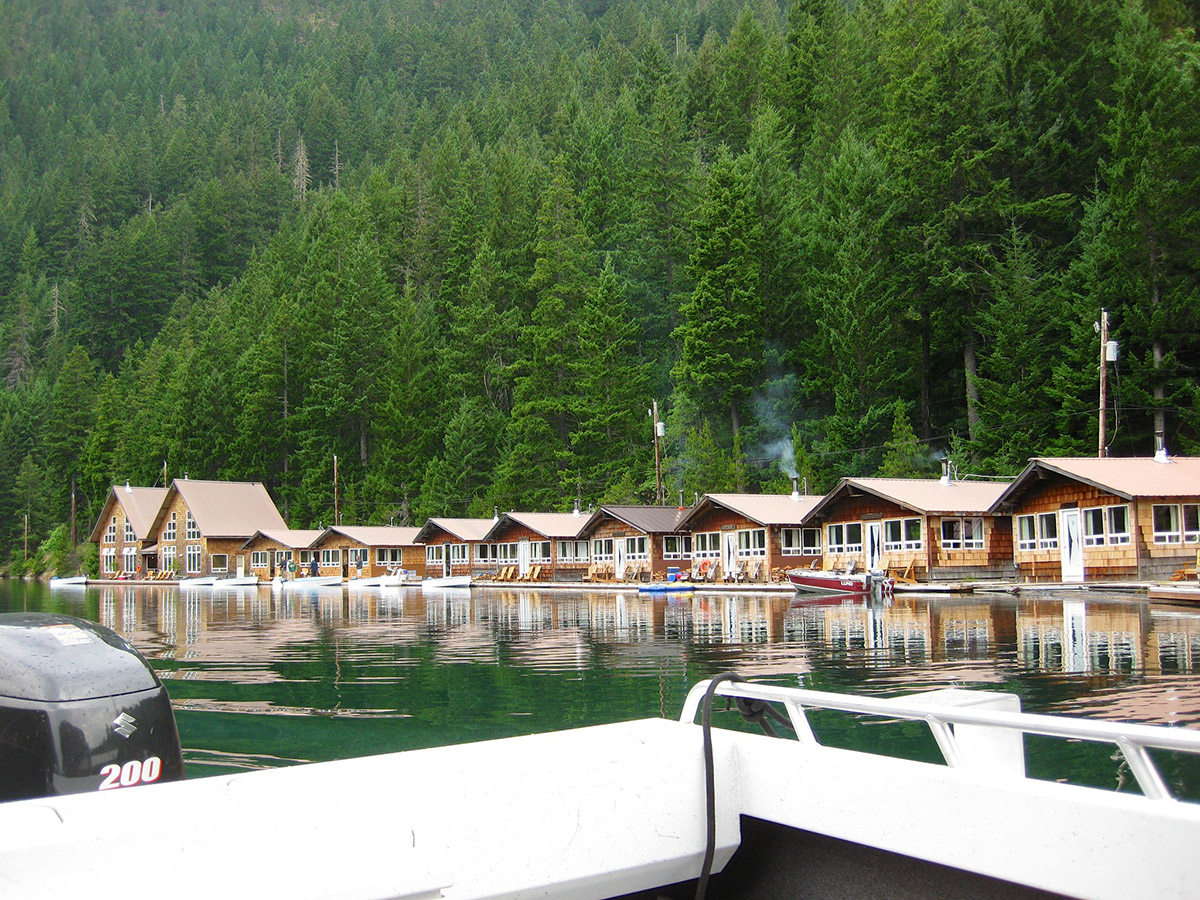
Rounding out the list is Ross Lake, a long, narrow reservoir in North Cascades National Park that stretches all the way north into British Columbia. Like nearby Diablo, it was formed by the Skagit River dam system. It’s a backcountry paradise of forested shoreline, remote campsites, and floating cabins at the historic Ross Lake Resort.
Getting here takes effort, whether by boat, water taxi, or a hike-and-portage combo, which keeps the crowds thin. If you want true North Cascades solitude on the water, this is it. If you’re feeling especially determined to stay on one of the best Washington state lakes, you can enter the lottery to try and snag a cabin on the lake at Ross Lake Resort.
Planning your bucket list Washington Lakes road trip
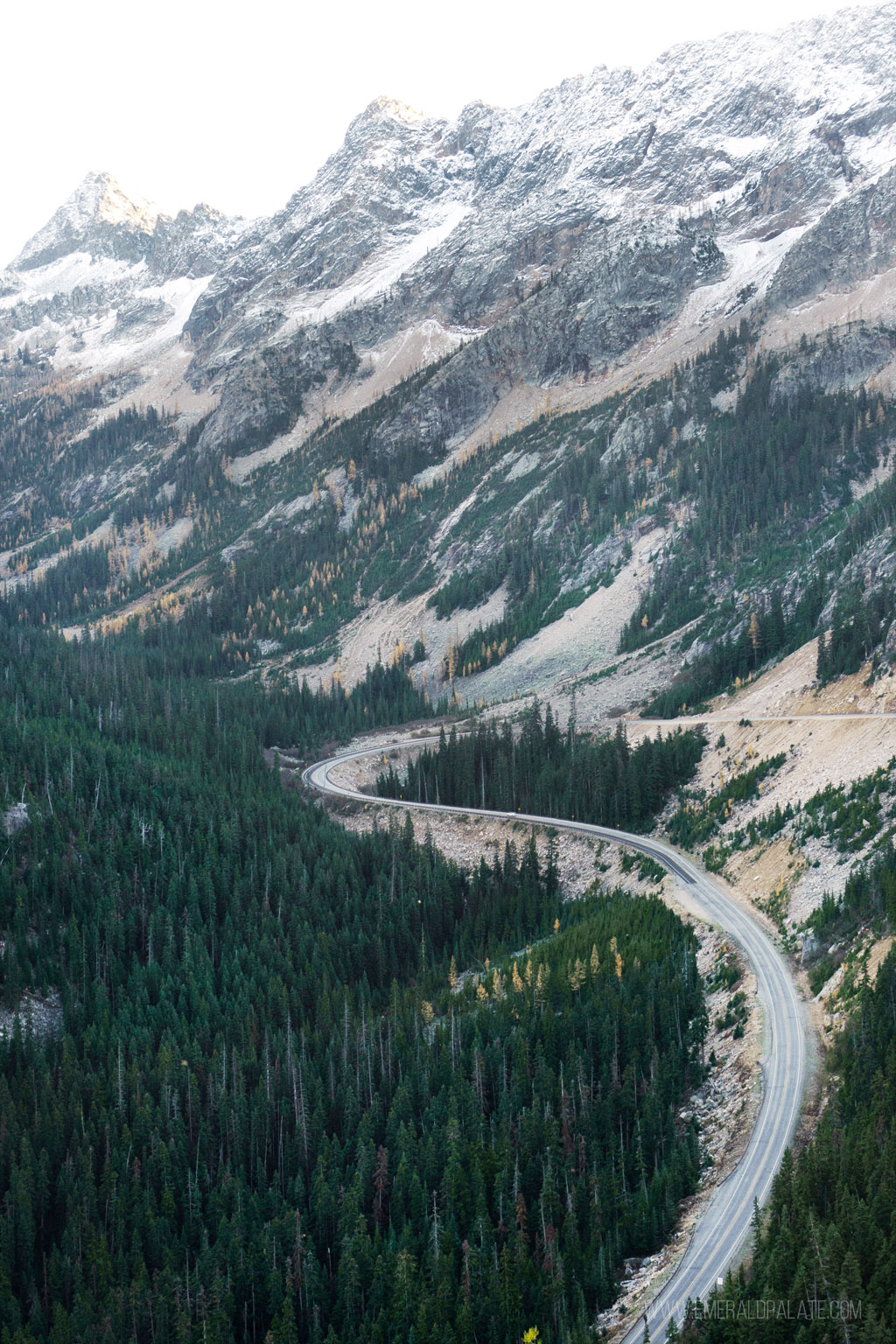
Half the fun of these lakes is stringing them together into a proper trip: Diablo and Ross along the North Cascades Highway, Crescent and Quinault around the Olympic Peninsula, or Chelan and Wenatchee for a sunny east-of-the-Cascades escape.
If mapping out the logistics feels like a lot, that’s what I’m here for! I build custom Pacific Northwest itineraries through my personal travel planning service, so you get the local, non-touristy version without the planning headache.
And if a Seattle lake day has you hungry for the city’s best independent food, my self-guided Seattle food tours will point you straight to the good stuff.
Want more ideas before you go? Here are a few of my guides to pair with your trip exploring Washington state lakes: